VANCOUVER, BC, Aug. 17, 2026 /PRNewswire/ — Participant recruitment information for a clinical study being conducted at The Ohio State University has been publicly posted on ClinicalTrials.gov. The study, titled “Evaluating the Effect of Wearing a TENS Device in Nausea Relief,” is also known as the WINNER Study. It is registered under ClinicalTrials.gov identifier NCT07720323 and is currently listed as recruiting. The study is sponsored by The Ohio State University and is expected to enroll approximately 120 adults.
ClinicalTrials.gov is a public registry and results database for clinical research studies. It was developed and is supported by the U.S. National Library of Medicine, part of the National Institutes of Health, to make information about ongoing and completed clinical studies accessible to patients, healthcare professionals and researchers.
Understanding Cyclic Vomiting Syndrome and Chronic Nausea
Cyclic vomiting syndrome, commonly known as CVS, is a disorder characterized by sudden and repeated episodes of severe nausea and vomiting. Episodes may last from several hours to several days and are typically separated by longer periods during which the person experiences few or no symptoms. The recurring and unpredictable nature of CVS can significantly disrupt work, education, daily activities and overall quality of life.
CVS is one condition within the broader spectrum of disorders involving recurrent or persistent nausea and vomiting. Some patients may experience chronic nausea between vomiting episodes, while others may have persistent nausea associated with abdominal pain, bloating, constipation, reduced appetite, fatigue, sleep disturbance or other gastrointestinal symptoms.
About the WINNER Study
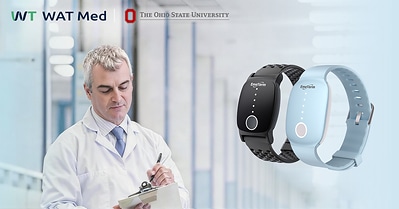
The WINNER (WearINg a TENS-device in Nausea Relief) Study is a single-center clinical trial conducted at The Ohio State University to evaluate the effectiveness of the EmeTerm wearable TENS device in adults with nausea that has persisted for more than 2 months.
EmeTerm is a wearable transcutaneous electrical nerve stimulation device, worn around the wrist and delivers controlled electrical stimulation to the median nerve. The study will examine whether using the device reduces the average weekly frequency of moderate-to-severe nausea compared with symptoms recorded before device use. Researchers will also assess changes in vomiting frequency, nausea duration, use of anti-nausea medication and other aspects of gastrointestinal health and general wellbeing.
The study is a single-group trial without a placebo arm. Each participant will serve as their own comparison, with symptoms during the 12-week device-use period compared with symptoms documented during the preceding two-week baseline period.
The primary outcome is the change in the average weekly number of days on which participants experience moderate or severe nausea. Secondary outcomes include changes in vomiting frequency and the use of anti-nausea medications. The study will also explore possible changes in abdominal pain, bloating, constipation, appetite, sleep, mood, stress, fatigue, quality of life and hope.
Who May Be Eligible to Participate
According to the ClinicalTrials.gov recruitment listing, potential participants must meet the following principal requirements:
- Be 18 years of age or older;
- Have experienced nausea for more than two months;
- Be able to understand English;
- Be receiving care at The Ohio State University; and
- Be able to complete electronic questionnaires using a smartphone or computer.
The study does not accept healthy volunteers. Final eligibility will be determined by the study team following screening.
Invitation to Potential Participants
Adults experiencing persistent nausea, recurrent vomiting or related gastrointestinal symptoms who currently receive care at The Ohio State University may review the official study information and speak with their healthcare provider about whether participation may be appropriate.
Individuals who believe they may meet the eligibility requirements can search for NCT07720323 on ClinicalTrials.gov to review the full study description, current recruitment status, study location and official contact information. For additional information about the study, interested individuals may contact the study team directly at [email protected].
About WAT Medical and EmeTerm
WAT Medical Enterprise Ltd. is a medical technology company specializing in wearable neuromodulation technologies, with more than 10 years of research and development experience focused on targeted nerve stimulation. The company develops non-invasive wearable technologies designed to support symptom management across areas including nausea, motion sickness and migraine.
EmeTerm is WAT Medical’s wearable anti-nausea device based on Transcutaneous Electrical Acupoint Stimulation (TEAS) technology. Designed to deliver controlled electrical stimulation at the wrist, EmeTerm is FDA cleared and provides a non-pharmacological approach to nausea and vomiting relief.
EmeTerm is supported by clinical research and independent peer-reviewed studies, including research published in JAMA Surgery and the British Journal of Anaesthesia (BJA). EmeTerm has also achieved strong consumer recognition, ranking as the No. 1 best-selling medical-grade wearable anti-nausea device on Amazon and receiving consistently positive reviews from users. WAT Medical continues to advance targeted neuromodulation technologies through ongoing research and clinical collaboration.
References
- https://clinicaltrials.gov/study/NCT07720323?term=EMETERM&rank=1
- Zheng D, Ding P, Gong M, et al. (2026). Transcutaneous Electrical Acupoint Stimulation vs Metoclopramide for Moderate to Severe Postoperative Nausea and Vomiting: A Randomized Clinical Trial. JAMA Surg. doi:10.1001/jamasurg.2025.6394
- Wang, N., et al. (2022). Wearable transcutaneous electrical acupoint stimulation bracelet for prevention of postoperative nausea and vomiting in patients undergoing hysteroscopic surgery: a randomised controlled trial. British Journal of Anaesthesia, 129(4), e85-e87.
- www.emeterm.com
- www.watmedical.com
ข่าวที่เกี่ยวข้อง
- femtoAI เปิดชุมชนนักพัฒนา เพื่อสร้างสรรค์ผลิตภัณฑ์ใหม่ที่ขับเคลื่อนด้วย AI
- First PureGRAPH® production order secured with global sports shoes company
- Scage Future Announces Plan to Implement ADS Ratio Change
- vivo X500 Series Debuts with Advanced ZEISS Telephoto Lens System and Cinematic Video Capabilities
